Trucks We Have WashedFleet and semi work done at the customer yard.See more photos
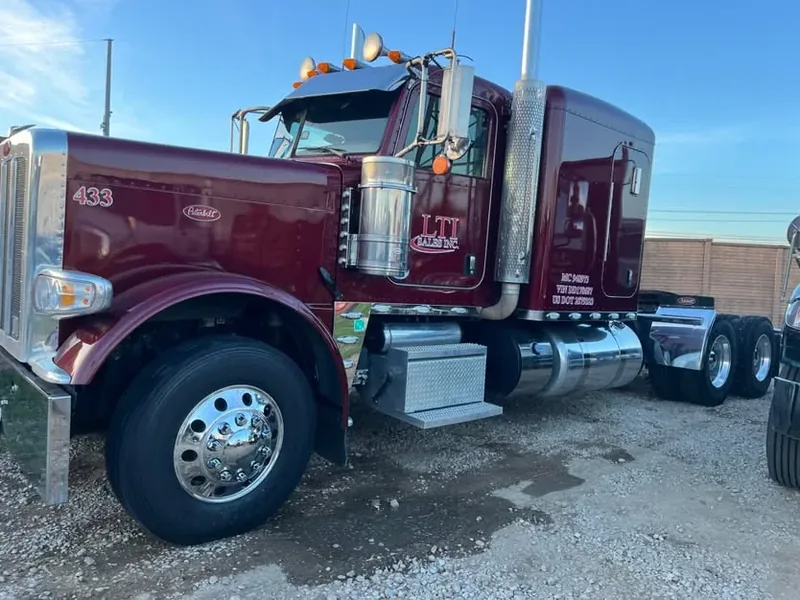
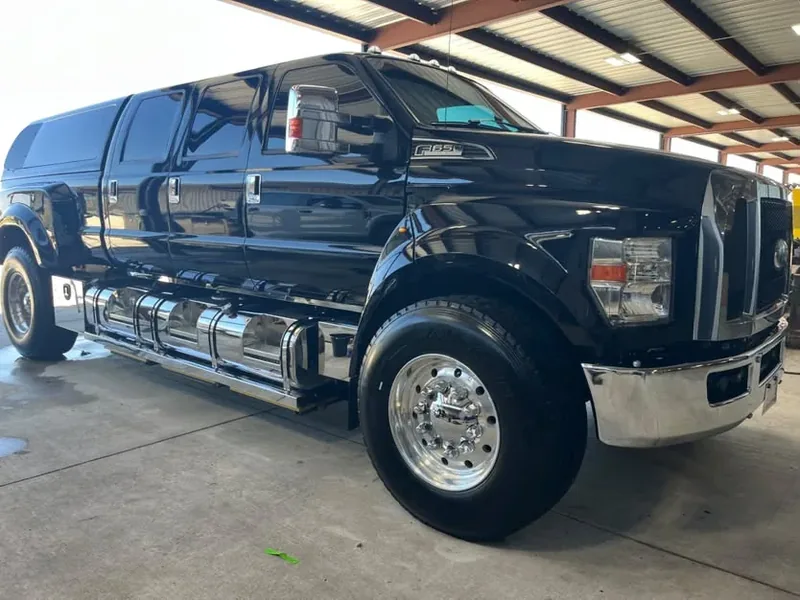
Fleets get washed on a route. We set a repeating visit that matches how hard the trucks run, then work through the units in order. Wheels, rockers and back doors get the same attention as the panels people look at.
Lettered trucks and wraps get washed at a lower pressure and a wider distance. Most wraps that start peeling at the corners got there from a wand held too close for too long.
Same job, different words. If that is what you typed, this is the page you wanted. Ballona runs fleet washing across Farmers Branch and the wider Dallas–Fort Worth metroplex.
By city
Pick your city for local detail and a map.
Our work
A few units from recent fleet and truck work around the Dallas area, washed at the yard.
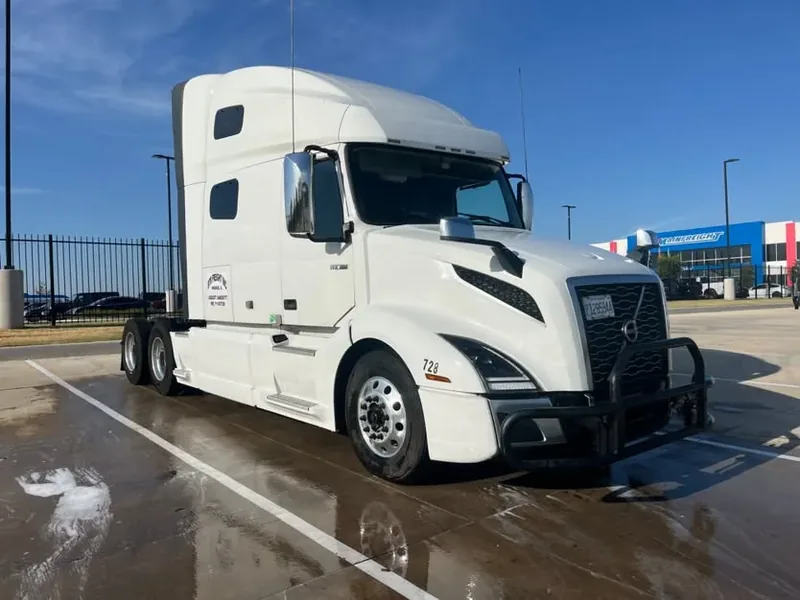
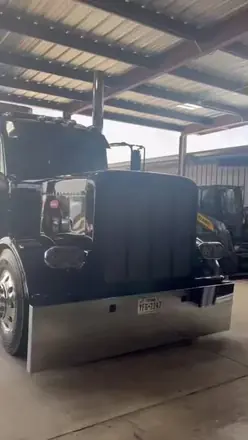
A fleet gets dirty in a pattern, not at random. Road film builds heaviest on the lower third of every panel, brake dust bakes onto the wheels and the rocker behind them, and bug protein cooks onto the front cap and mirror arms in summer. Washing a fleet properly means treating those zones as separate problems rather than dragging one soap over the whole unit and hoping.
The order matters. Wheels and lower panels come first with a dedicated cleaner so the heavy grime is off before anything else runs down over it. Then the body from the top down, then a rinse that starts high and finishes at the wheels. Wash bottom to top and top to bottom, and you spend the last ten minutes chasing streaks that were avoidable.
Pressure is the part most people get wrong. Painted panels and vinyl lettering do not want a narrow tip held close. They want volume and the right chemical dwell at a distance, so the soap does the lifting instead of the water. Wraps that start peeling at the corners almost always got there from a wand held too close for too long, not from age.
Touchless is not always the answer either. A pure chemical wash gets a truck clean enough for a highway run, but road film that has sat for weeks builds a grey haze that only comes off with contact. A brush pass on the flat panels after the chemical has done its work is what puts the shine back rather than just removing the top layer of dirt.
Frequency beats intensity. A unit washed every two weeks takes a fraction of the time of the same unit washed twice a year, because nothing has had time to bond. Yards that move to a repeating schedule usually find the per-truck price drops as the trucks get easier, which is the opposite of how most people expect it to work.
Drivers notice the inside of the door and the step before they notice the roof. Grab handles, the fuel door surround, the step wells and the back of the mirrors are the parts a driver touches every day, and they are the parts that show whether a wash was thorough or quick. Those get hand attention rather than a pass with the wand.
The usual damage on a fleet is not dramatic. It is wrap edges lifting, a dull patch where someone held a turbo nozzle on one spot, and water forced past a door seal into a cab. All three come from the same cause, which is too much pressure at too short a distance because it seemed faster.
The other common problem is soap left to dry. In a North Texas summer a panel can flash dry in under a minute, and dried detergent leaves a film that looks worse than the dirt did. Working in shaded sections, keeping surfaces wet, and rinsing before moving on is what stops that happening.
Most weeks the run covers the same corridor. If you are closer to one end of it than the other, there is a page with the local detail: Fleet Washing in Farmers Branch, our fleet washing work in Dallas, fleet washing across Carrollton or Fleet Washing for Addison property. The full list of towns is on the service areas page.
On the day, the trucks need to be parked and the keys need to be with someone if units have to be moved. Most yards run best if the wash happens before the first shift or after the last unit is back. You get a look at the finished work before anyone leaves.
Quotes are free and most of them happen off a photo and an address. If something on site turns out to be different from the photo, you hear about it before the work starts rather than after. Call or text (469) 261-5415, or send the details through the contact page.
A clean fleet is a sales asset that is already paid for. The trucks are on the road in front of customers every day whether they look cared for or not, and a company that keeps its units washed reads as one that keeps its equipment maintained. Drivers tend to treat a clean truck better too, which shows up in how the interiors hold up.
Ask what pressure is going on which surface. Anyone who answers with one number for the whole property is telling you they use one setup for everything, and that is how siding, wood and wraps get damaged. The right answer names different treatments for different surfaces.
Ask what happens to the water. On a residential job that means whether planting is being protected. On a commercial one it means whether wash water carrying grease is going into a storm drain, which is a real problem rather than a technicality.
Ask which marks will fully disappear and which will only lighten. Deep oil, old rust, paint overspray and some tannin staining do not vanish. Getting that stated before the job rather than argued about after is the single best predictor of whether you will be happy with the result.
Ask how long the job should take and who is doing it. A price with no time attached usually means the quote was guessed, and a crew that turns up with an hour allocated for half a day of work will cut the parts you cannot see: the edges, the second side of the fence, the undercarriage, the rinse. The time estimate tells you more about the quality you are buying than the number does.
FAQ
We normally use the water on site and we tell you before we hook up. If the yard has no water, we can bring our own. Tell us when you call so we load up for it.
Yes. Most fleet work happens at the customer's yard or parking lot, before the first shift or after the last truck is back.
Early mornings and evenings are normal for fleet work. The trucks have to be parked for us to wash them. Call (469) 261-5415 and we will fit it around your schedule.
Call or text (469) 261-5415. For most jobs a photo and the address is enough to give you a number without anyone coming out first.
Depends on the week and the size of the job. Call (469) 261-5415 and you will get a real date rather than a guess.
More
Free quote
Call or text (469) 261-5415 and say what needs cleaning. Free quotes across the Dallas area.
Text a photo of the truck, lot or wall you want cleaned and we will send back a price. No visit needed for most jobs.
Call (469) 261-5415 Text (469) 261-5415 Call (972) 834-8253 (English) Email us Request a quote