Trucks We Have WashedFleet and semi work done at the customer yard.See more photos
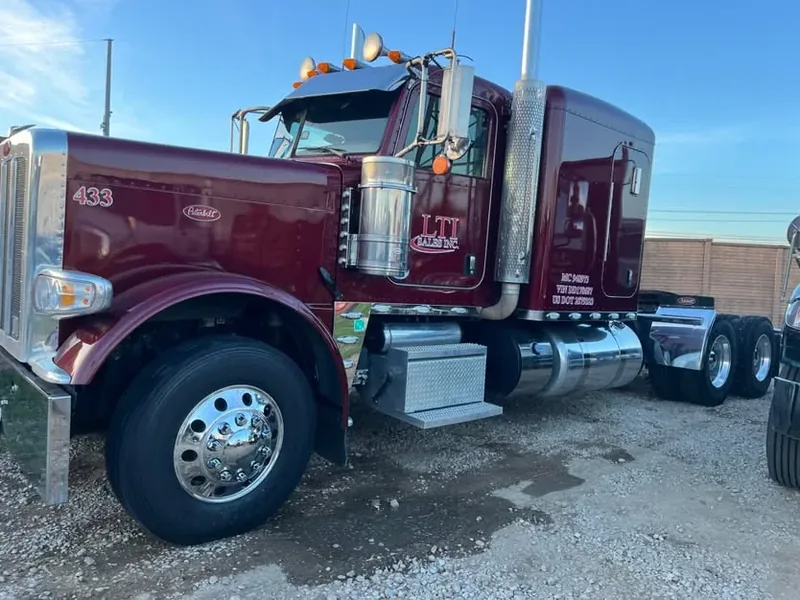
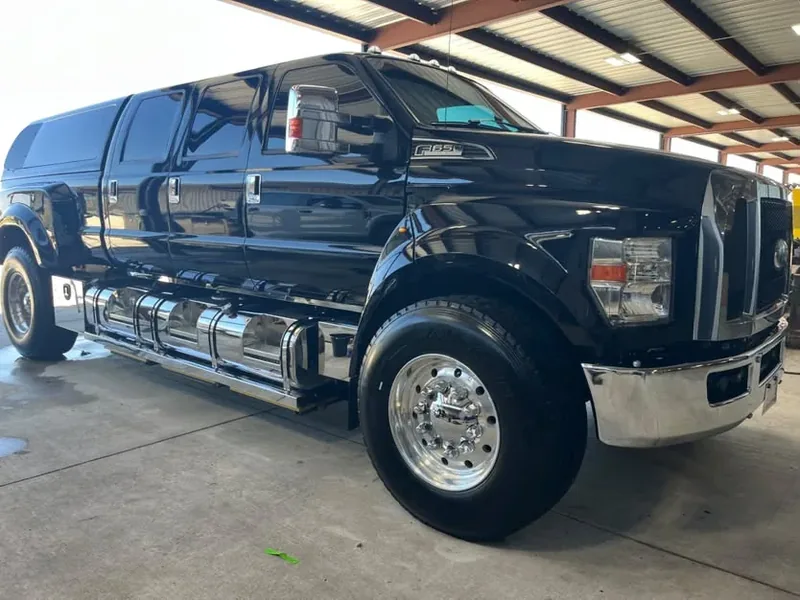
A tractor picks up a film that a plain rinse will not touch. The unit gets pre-soaked, worked with the right chemistry for the surface, then rinsed top down so nothing dries in place.
On trailers the sides and rear doors matter most. That is what the DOT officer, the shipper and the car behind you actually see. Tell us how the unit runs and when it was last washed.
Same job, different words. If that is what you typed, this is the page you wanted. Ballona runs semi-truck and trailer washing across Farmers Branch and the wider Dallas–Fort Worth metroplex.
By city
Pick your city for local detail and a map.
Our work
A few units from recent fleet and truck work around the Dallas area, washed at the yard.
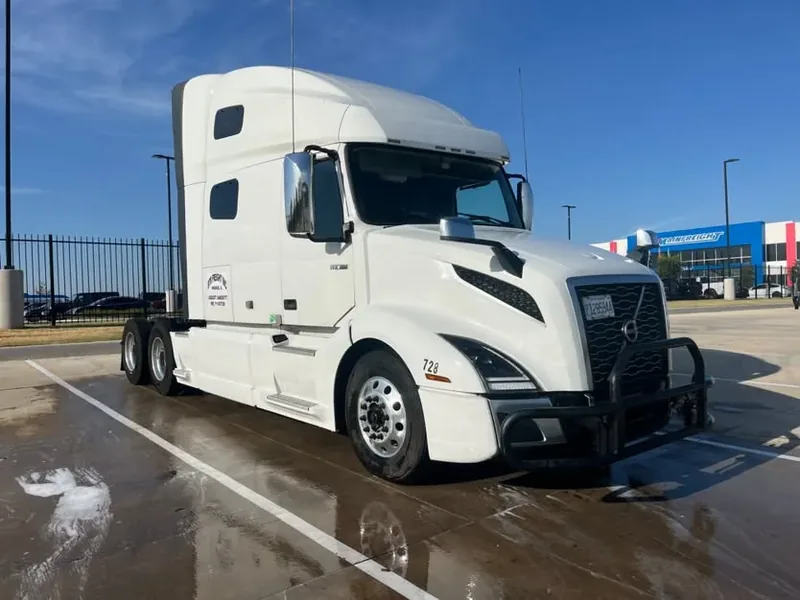
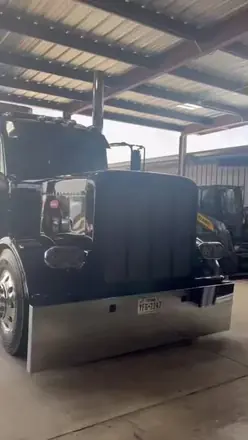
A tractor and a trailer are two different washes attached to each other. The tractor has paint, chrome, polished aluminium and a wrap or decals to protect. The trailer is mostly a large flat surface carrying road film and rear spray, plus a rear door that collects everything the tyres throw at it. Pricing and method treat them separately even when they roll in together.
Aluminium is the surface that punishes shortcuts. Strong acid brighteners will make a wheel or a tank look spectacular the same day and leave it etched and hazy months later. A milder cleaner with proper dwell time and agitation gets most of the way there without cooking the metal, and the finish still looks right the next season.
The back of a trailer takes the worst of it. Rear doors, the bumper and the mud flaps sit directly in the spray line and hold a mix of road salt residue, oil and rubber. That area needs a degreaser and contact, not just a rinse, or the door comes out clean in the middle and dark at every edge.
Reefers and flatbeds get handled differently again. A reefer unit has a condenser and vents that do not want a pressure washer pointed straight into them, and a flatbed has a deck, stake pockets and chains where grease sits rather than film. Saying which unit type is coming lets the right setup show up rather than a general one.
Fifth wheels, frame rails and the area behind the cab hold grease that will run back down over clean paint if it is left for last. Anything greasy gets treated early so the rinse carries it away instead of streaking a finished panel. That single ordering choice is most of the difference between a wash that looks done and one that does not.
DOT numbers, decals and lettering are worth protecting on purpose. They are the most expensive small thing on the unit to replace, and they sit exactly where a wand naturally passes. Working across lettering rather than into its edges, at distance, is what keeps it on the truck.
The most expensive mistake on a semi is acid used carelessly on aluminium. It is fast, it looks impressive for a week, and it leaves a surface that will not polish up again. Once the grain of the metal is etched, no amount of later work brings the original finish back.
The second is washing a hot unit in direct sun. A tractor that has just come off a run has panels hot enough to dry chemical on contact, which spots the paint and streaks the chrome. Letting it cool, or working the shaded side first, costs a few minutes and saves the whole finish.
Most weeks the run covers the same corridor. If you are closer to one end of it than the other, there is a page with the local detail: Semi-Truck & Trailer Washing in Farmers Branch, our semi-truck & trailer washing work in Dallas, semi-truck & trailer washing across Carrollton or Semi-Truck & Trailer Washing for Addison property. The full list of towns is on the service areas page.
Units need to be parked with room to walk all the way around, and ideally out of direct sun. Say the unit type when you call so the right cleaners come along. Most tractor and trailer work happens early morning or in the evening, around when the units are actually in the yard.
Quotes are free and most of them happen off a photo and an address. If something on site turns out to be different from the photo, you hear about it before the work starts rather than after. Call or text (469) 261-5415, or send the details through the contact page.
Road film is not just cosmetic on a tractor and trailer. It holds moisture and road chemicals against paint and aluminium, and left long enough it dulls a finish permanently. Regular washing is cheaper than the paint and polish work needed to bring a neglected unit back, and it keeps DOT numbers and lettering legible.
Ask what pressure is going on which surface. Anyone who answers with one number for the whole property is telling you they use one setup for everything, and that is how siding, wood and wraps get damaged. The right answer names different treatments for different surfaces.
Ask what happens to the water. On a residential job that means whether planting is being protected. On a commercial one it means whether wash water carrying grease is going into a storm drain, which is a real problem rather than a technicality.
Ask which marks will fully disappear and which will only lighten. Deep oil, old rust, paint overspray and some tannin staining do not vanish. Getting that stated before the job rather than argued about after is the single best predictor of whether you will be happy with the result.
Ask how long the job should take and who is doing it. A price with no time attached usually means the quote was guessed, and a crew that turns up with an hour allocated for half a day of work will cut the parts you cannot see: the edges, the second side of the fence, the undercarriage, the rinse. The time estimate tells you more about the quality you are buying than the number does.
FAQ
We normally use the water on site and we tell you before we hook up. If the yard has no water, we can bring our own. Tell us when you call so we load up for it.
Both. One tractor is a normal job.
Yes. Say the unit type when you call so we bring the right setup.
Call or text (469) 261-5415. For most jobs a photo and the address is enough to give you a number without anyone coming out first.
Depends on the week and the size of the job. Call (469) 261-5415 and you will get a real date rather than a guess.
More
Free quote
Call or text (469) 261-5415 and say what needs cleaning. Free quotes across the Dallas area.
Text a photo of the truck, lot or wall you want cleaned and we will send back a price. No visit needed for most jobs.
Call (469) 261-5415 Text (469) 261-5415 Call (972) 834-8253 (English) Email us Request a quote